What Siding Maintenance Tips Extend the Life of Exterior Cladding?
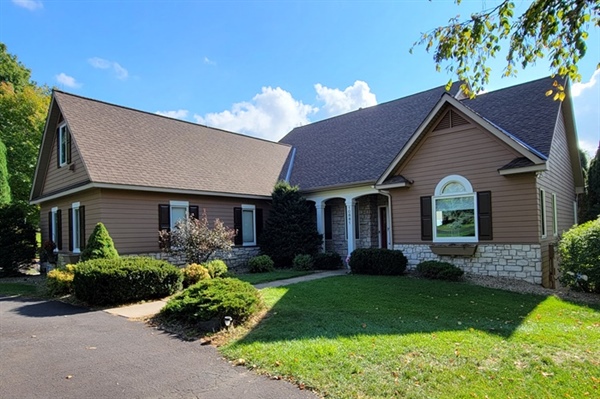
Exterior siding is constantly exposed to wind, rain, snow, ultraviolet radiation, temperature swings, and airborne contaminants. Over time, even the most durable materials—vinyl, fiber cement, engineered wood, natural wood, or metal—begin to show wear if they are not properly maintained. Understanding what siding maintenance tips extend the life of exterior cladding helps homeowners protect structural components beneath the surface while preserving curb appeal and long-term performance.
At Siding Unlimited, careful material selection and proper installation are only part of the equation. Ongoing maintenance plays a measurable role in durability, moisture control, and energy efficiency. In the sections below, we examine how often siding should be cleaned and inspected, the safest way to remove mildew and stains, whether painting or staining adds protection, how landscaping affects siding longevity, and which seasonal tasks are necessary in cold climates. Each factor contributes to extending the service life of modern siding systems.
How Often Should Siding Be Cleaned and Inspected to Prevent Premature Deterioration?
Routine inspection is one of the most effective ways to extend siding life. Most manufacturers and building envelope specialists recommend a full visual inspection at least once per year, with additional checks following major storms. Inspections should look for cracked panels, loose fasteners, failed caulking, gaps around penetrations, and signs of moisture intrusion. Catching small defects early prevents water from reaching sheathing or framing, which reduces the risk of rot and mold development.
Cleaning frequency depends on climate and exposure. In moderate conditions, siding should be washed every 12 to 24 months. Homes located near trees, high-traffic roads, or humid environments may require annual cleaning to prevent organic growth and staining. Vinyl and engineered wood siding typically require low-pressure washing with a mild detergent solution. Fiber cement should be cleaned gently to avoid damaging factory-applied finishes. Regular cleaning removes pollutants that can degrade surface coatings and accelerate fading.
Professional siding contractors often emphasize that maintenance intervals should align with material type and local climate. In areas with freeze-thaw cycles, annual inspections before winter help identify areas where trapped moisture could expand and cause cracking. For more detailed information on protecting exterior cladding, consistent cleaning and inspection remain foundational practices supported by siding manufacturers and building science research.
Best Methods for Removing Mildew, Algae, and Stains from Residential Siding
Mildew and algae commonly form on shaded or north-facing elevations where moisture lingers. These organisms do not typically damage vinyl or fiber cement directly, but they can stain finishes and retain moisture against the surface. The most effective removal method is a soft-wash approach using a solution of water and mild household detergent. For persistent mildew, a diluted mixture of water and sodium hypochlorite (household bleach) can be used, followed by thorough rinsing. Always protect nearby landscaping when using cleaning solutions.
High-pressure washing is not recommended for most siding materials. Excessive pressure can force water behind panels, compromise weather-resistant barriers, and void manufacturer warranties. Instead, use a garden hose with moderate pressure and a soft-bristle brush for targeted areas. Cleaning should proceed from the bottom upward to prevent streaking, then be rinsed from top to bottom.
Oil stains, rust marks, and hard water deposits require material-specific treatments. Rust stains can often be removed with oxalic acid-based cleaners approved for siding use. Hard water buildup may require a vinegar solution followed by a clean water rinse. Surface cleaning protects the integrity of finishes and reduces the likelihood of long-term discoloration that could otherwise lead to premature refinishing or replacement.
Should You Paint or Stain Siding Regularly for Long-Term Protection?
Whether siding should be painted or stained depends entirely on material type. Vinyl siding is manufactured with integral color and does not require routine painting. Painting vinyl is possible with vinyl-safe coatings, but it is not required for protection. Fiber cement siding, on the other hand, typically requires repainting every 10 to 15 years depending on climate exposure. Factory-applied finishes often last longer than field-applied coatings due to controlled curing conditions.
Natural wood siding demands more frequent maintenance. To prevent moisture intrusion, ultraviolet degradation, and fungal growth, wood should be stained or sealed every 3 to 7 years depending on sun exposure and regional humidity. Transparent stains provide less UV protection than solid stains, which contain higher pigment levels. Proper surface preparation—including cleaning and sanding—is critical before reapplication to promote adhesion and coating performance.
Engineered wood products generally require repainting at intervals similar to fiber cement, though manufacturer specifications should always guide timing. Coatings act as a moisture barrier and UV shield. Failure to maintain protective finishes can allow water absorption, leading to swelling, cracking, or delamination in susceptible materials.
Maintaining Siding Near Landscaping, Shrubs, and Overhanging Trees
Landscaping significantly influences siding longevity. Shrubs planted directly against exterior walls trap moisture and restrict airflow, creating conditions favorable to mildew and decay. Maintaining at least 6 to 12 inches of clearance between vegetation and siding allows proper drying after rainfall. Overhanging branches should be trimmed to prevent abrasion during wind events and to reduce leaf debris accumulation.
Irrigation systems should be adjusted to avoid direct spray onto siding surfaces. Continuous water exposure increases the risk of staining and can accelerate coating breakdown. In colder climates, saturated soil near foundations can contribute to splash-back during rainstorms, depositing dirt and organic material onto lower siding courses. Installing proper drainage and maintaining clean gutters reduces this risk.
Mulch should not be piled directly against siding. Organic mulch retains moisture and may attract insects. Maintaining visible clearance between the bottom of siding panels and grade level helps preserve flashing effectiveness and reduces pest intrusion risk. These preventative steps limit environmental stressors that compromise siding performance over time.
Seasonal Siding Maintenance in Cold Climates to Prevent Winter Damage
Cold climates introduce freeze-thaw cycles that stress exterior materials. Before winter, homeowners should inspect caulking around windows, doors, and penetrations to confirm seals remain intact. Gaps allow moisture infiltration, which can freeze and expand, causing cracking or separation. Cleaning gutters and downspouts before snowfall prevents ice dams that direct water behind siding panels.
After heavy snow accumulation, siding should be visually checked for impact damage or shifting panels. Ice buildup against walls can increase moisture exposure. Removing snow accumulation near the foundation reduces prolonged contact between frozen material and lower siding courses. Fiber cement and engineered wood benefit from clear drainage pathways to prevent moisture retention at seams.
In regions such as Hammond, WI, where prolonged freezing temperatures are common, pre-winter inspections and spring follow-ups are particularly important. Homeowners seeking expert evaluation or service scheduling can contact Siding Unlimited to arrange professional guidance. Consistent seasonal care reduces long-term structural risk and helps siding systems reach their full expected service life.
Protect Your Home’s Exterior with Professional Guidance
Maintaining siding requires consistent inspection, proper cleaning methods, protective coatings where applicable, vegetation management, and seasonal preparation. Siding Unlimited provides professional siding services backed by decades of hands-on experience. Our team understands material performance, regional climate stressors, and installation best practices that influence long-term durability.
If you have questions about siding maintenance, repair, or replacement, call 651-681-5000 or contact us to speak with our team. We help homeowners protect their investment with expert installation, informed recommendations, and dependable exterior services designed for lasting performance.