What Are the Signs That Home Siding Needs Repair or Replacement?
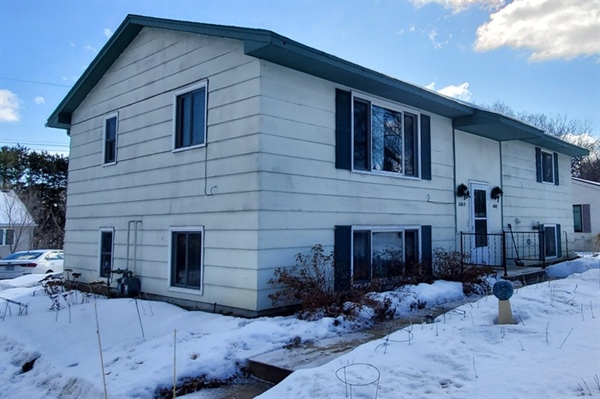
Your home’s siding does more than create curb appeal. It acts as a weather barrier, protects structural framing, and plays a measurable role in moisture control and energy performance. When siding begins to fail, the signs are not always dramatic. Small cracks, subtle warping, interior humidity changes, or minor staining can indicate deeper structural or moisture-related problems. Understanding what to look for allows homeowners to intervene before minor exterior wear turns into hidden rot, insulation failure, or mold growth.
In this guide, we’ll examine how to identify water damage behind exterior panels, distinguish cosmetic cracking from structural failure, determine whether aging siding contributes to indoor moisture issues, evaluate damage after a severe storm, and recognize early deterioration patterns before full replacement becomes necessary. Drawing from the technical insights and installation standards practiced by Siding Unlimited, this article explains what happens beneath the surface and how to interpret the warning signs correctly. If you're evaluating the condition of your siding, these indicators will help you make informed decisions.
How to Spot Water Damage Behind Siding Before Structural Rot Develops
Water intrusion behind siding typically begins at vulnerable transition points: around windows, doors, roof-to-wall intersections, improperly flashed joints, or failed caulking seams. Exterior indicators often appear subtle at first. Look for localized discoloration, bubbling paint, swollen boards, loose panels, or vertical staining beneath seams. These signs may indicate that moisture is bypassing the weather-resistant barrier. In wood-based systems, soft spots or slight surface depressions can signal that sheathing or framing beneath has absorbed water.
Interior evidence often appears before exterior panels visibly fail. Peeling interior paint, musty odors, damp drywall, or elevated indoor humidity levels near exterior walls can suggest hidden moisture infiltration. Thermal imaging inspections frequently reveal temperature anomalies where wet insulation has lost its R-value. Persistent dampness can degrade structural sheathing such as oriented strand board (OSB), leading to loss of fastener holding strength and progressive wall assembly deterioration.
Moisture meters and probe testing are the most reliable diagnostic tools. Readings above 15–20% moisture content in wood framing indicate elevated risk for fungal growth and rot development. Water damage behind panels also compromises the effectiveness of house wrap and flashing systems. Modern installations, such as those detailed on professional siding systems, rely on layered moisture management—including proper flashing, drainage planes, and ventilation gaps—to prevent trapped water. When those systems fail, visible distortion is often only the final stage of a longer hidden process.
When Siding Cracks Are Cosmetic vs. Structural Damage
Not all cracks indicate structural failure. Cosmetic cracks typically affect only the outer surface of the material and do not extend through the full thickness. In vinyl siding, hairline fractures caused by minor impact or thermal expansion often remain superficial and do not compromise fastening systems or underlying sheathing. Engineered wood products may show surface checking that affects finish layers without weakening structural integrity.
Structural cracks, however, penetrate through the siding panel and may expose substrate layers or create openings for water intrusion. In fiber cement boards, full-depth cracking often results from improper fastening spacing or foundation movement. In wood siding, deep splits can follow grain lines and allow water to enter the core material. When cracking coincides with warping, pulling away from the wall, or loose fasteners, the issue is rarely cosmetic.
Evaluation should include checking for movement at attachment points, examining whether cracks widen seasonally, and inspecting for moisture infiltration behind the break. Structural cracking compromises wind resistance ratings and may violate manufacturer installation standards. Distinguishing between surface-level aging and load-related failure requires examining not just the crack itself but how it interacts with flashing, fasteners, and the wall assembly beneath.
Can Old Siding Lead to Mold Growth and Indoor Moisture Problems?
Aging siding can contribute to mold and moisture issues when it no longer provides an effective drainage plane. Over time, sealants dry out, panels shift, and fastener holes enlarge. These changes create pathways for bulk water intrusion. When moisture becomes trapped between siding and sheathing, the wall cavity’s ability to dry outward diminishes. This creates ideal conditions for fungal growth if moisture content remains elevated for extended periods.
Studies show that mold can begin developing on organic building materials when moisture content exceeds approximately 20% and remains elevated for 24–48 hours. If siding failure allows repeated wetting cycles without proper drying, insulation can become saturated and lose performance capacity. Wet insulation not only reduces energy efficiency but also slows drying of adjacent framing members.
Interior symptoms often include musty odors, condensation on windows, unexplained allergy-like reactions, or visible staining along baseboards of exterior walls. In severe cases, mold colonies develop on backside drywall paper or within wall cavities. Modern siding systems are designed to incorporate breathable barriers and controlled drainage gaps to reduce these risks. When siding ages beyond its functional lifespan, those protective layers degrade, increasing the likelihood of moisture-related structural and indoor air quality concerns.
How to Assess Siding Damage After a Severe Storm
Storm assessment begins with a ground-level visual inspection. Look for lifted panels, missing sections, impact marks from hail, and detached trim. Wind-driven rain can force water behind panels even if they appear intact. Pay close attention to corners, soffits, fascia transitions, and areas where roof runoff concentrates. These are common failure points after heavy wind or hail events.
Hail damage often appears as circular cracks or punctures in vinyl and as chipped surfaces in fiber cement. Wood siding may show dents or split grain lines. Even small punctures can compromise the weather barrier, allowing water to enter wall cavities. After severe storms, checking flashing integrity around windows and doors is critical because flashing displacement often occurs without obvious exterior panel damage.
A comprehensive inspection includes checking interior walls for new staining, elevated humidity, or insulation dampness. Insurance adjusters typically document visible impact damage, but moisture infiltration can develop days later. Monitoring the structure for at least several weeks after major weather events helps identify delayed symptoms that indicate compromised siding systems.
Early Warning Signs of Siding Deterioration Homeowners Should Not Ignore
Deterioration rarely begins with catastrophic failure. Early warning signs include fading color, chalking residue on surfaces, minor warping, loose trim, recurring need for repainting, and localized caulk failure. These changes often indicate ultraviolet degradation, moisture cycling stress, or fastener fatigue. In wood systems, slight cupping or raised grain may signal ongoing moisture absorption.
In vinyl siding, excessive movement or rattling during moderate winds suggests that fastening channels have loosened or panels were improperly installed. Fiber cement products may exhibit edge cracking or joint separation if expansion gaps were not maintained. Engineered wood may swell at bottom edges if repeatedly exposed to splash-back from poor drainage grading.
Routine inspection should include examining lower courses of siding, checking for insect activity near seams, and evaluating whether paint or finish coatings are maintaining adequate protection. Maintenance schedules vary by material type, but visible degradation of protective coatings typically precedes substrate damage. Addressing these early indicators prevents structural sheathing decay and preserves long-term wall performance.
Protect Your Home with Expert Siding Evaluation and Replacement
When siding shows signs of water intrusion, cracking, storm impact, or long-term deterioration, a professional evaluation helps determine whether targeted repair or full replacement is required. Siding Unlimited applies detailed inspection standards that examine flashing systems, drainage planes, sheathing integrity, and fastening performance. This approach goes beyond surface appearance and focuses on structural protection.
Homeowners dealing with moisture concerns, aging materials, or storm-related damage can benefit from a comprehensive exterior assessment. Whether the issue involves identifying hidden water intrusion, distinguishing structural cracking, or preventing mold-related complications, a properly installed siding system restores the wall assembly’s protective function.
To schedule an evaluation or discuss replacement options, call Siding Unlimited at 651-681-5000 or contact us to request a consultation. A thorough assessment today can prevent costly structural repairs tomorrow.