How Often Should Exterior Components Like Flashing, Caulking, and Trim Be Inspected or Replaced?
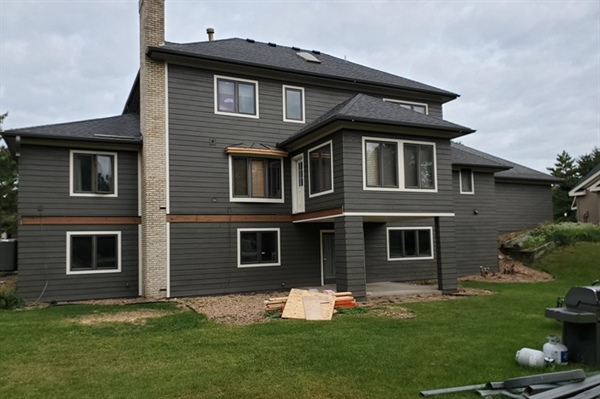
Flashing, caulking, and exterior trim are small details that carry a heavy responsibility. These components control how water moves around windows, doors, rooflines, and siding transitions. When they perform as designed, moisture is directed away from structural framing and wall assemblies. When they fail, water intrusion can begin long before stains or visible damage appear inside the home. Understanding how often these elements should be inspected or replaced is a critical part of protecting long-term building performance.
At Siding Unlimited, exterior systems are approached as integrated assemblies rather than isolated products. Properly installed exterior components work together to resist wind-driven rain, thermal movement, and seasonal freeze-thaw cycles. In the sections ahead, we will examine recommended inspection schedules, warning signs of deterioration, how climate affects service life, typical replacement timelines, and proven maintenance strategies that extend durability and performance.
Recommended Inspection Schedules for Flashing, Caulking, and Exterior Trim
Flashing, sealants, and trim should be inspected at least twice per year—once in the spring and once in the fall. This schedule aligns with seasonal transitions that place the greatest stress on exterior assemblies. Spring inspections identify winter-related movement, ice dam damage, and sealant shrinkage. Fall inspections verify that joints and transitions are properly sealed before freeze-thaw cycles begin again.
In addition to biannual checks, inspections should follow major weather events such as hailstorms, high winds, or prolonged heavy rain. Wind-driven rain can exploit small gaps in flashing laps or deteriorated caulking joints around penetrations. Siding transitions, window perimeters, and roof-to-wall intersections require close evaluation because these are the most common failure points in building envelopes.
Comprehensive inspections focus on continuity. Flashing should remain properly overlapped and mechanically secure. Sealants must remain flexible without cracking or separation. Trim boards should show no signs of moisture absorption, rot, or paint failure. When reviewing exterior components, attention to these details helps maintain water management integrity and prevents structural damage that may not be immediately visible.
Signs of Deterioration: When Exterior Sealants and Flashing Need Immediate Attention
Sealants that show cracking, pulling away from substrates, or hardening beyond flexibility require immediate correction. Modern exterior-grade sealants are designed to accommodate movement caused by temperature swings. Once elasticity is lost, joints can no longer compensate for expansion and contraction, allowing water infiltration behind siding systems.
Metal flashing should lie flat and remain tightly fastened. Warning signs include corrosion, lifted edges, improperly lapped seams, or visible gaps at roof-to-wall intersections. Even small separations can redirect water behind cladding systems, where it may compromise sheathing and framing before surface damage appears.
Trim deterioration also signals risk. Soft spots, discoloration, peeling paint, or swelling indicate moisture absorption. These conditions reduce protective coatings and accelerate decay. Prompt evaluation prevents damage from spreading into adjacent siding and structural assemblies.
How Climate and Seasonal Changes Impact Exterior Component Lifespan
Climate has a measurable impact on the longevity of flashing, sealants, and trim materials. In regions with significant temperature swings, repeated expansion and contraction place stress on joints and fasteners. Over time, this cyclical movement reduces sealant adhesion and can fatigue metal flashing at bends and fastener points.
Freeze-thaw cycles intensify this effect. Water that enters small cracks can freeze, expand, and widen openings within sealant lines or trim materials. Snow accumulation and ice dams increase moisture exposure at roof edges and wall transitions, which are already high-risk areas for water intrusion.
Homes in Hammond, WI experience extended winter conditions, high humidity in summer, and wind-driven precipitation throughout the year. These environmental factors shorten sealant life expectancy compared to milder climates. Material selection, correct installation sequencing, and ongoing monitoring are critical to maintaining long-term performance under these conditions.
Typical Replacement Timelines for Flashing, Caulking, and Trim Materials
High-quality exterior sealants typically last between 5 and 10 years, depending on exposure conditions and joint movement. South- and west-facing elevations often experience accelerated degradation due to ultraviolet exposure and heat cycling. Areas protected by overhangs generally perform longer but still require periodic renewal.
Metal flashing can last 20 years or more when properly installed and protected from corrosion. Aluminum and galvanized steel systems maintain structural performance when kept free from prolonged moisture exposure and mechanical damage. However, flashing integrated into roofing systems may require replacement when reroofing occurs to maintain continuous water management.
Exterior trim lifespan varies by material. Engineered wood and fiber cement products can perform for decades when properly sealed and painted. Natural wood trim requires more frequent maintenance, particularly at end cuts and joints. Replacement timelines should be based on documented material performance and condition assessment rather than fixed assumptions.
Preventative Maintenance Strategies to Extend the Life of Exterior Components
Preventative maintenance begins with moisture control. Keeping gutters clear and directing downspouts away from foundations reduces splash-back and saturation at lower trim boards. Proper grading around the home prevents prolonged water exposure at siding-to-foundation transitions.
Sealant joints should be cleaned and evaluated annually. When minor cracks appear, localized re-caulking prevents joint widening. Paint systems on trim should be maintained before failure exposes raw material. Coatings act as protective barriers that reduce moisture absorption and ultraviolet damage.
Documentation supports long-term performance. Recording inspection dates, observed conditions, and repairs establishes a maintenance history that informs future decisions. For homeowners seeking further guidance or evaluation, connecting with Siding Unlimited provides access to experienced exterior system professionals familiar with regional environmental demands.
Protecting Your Home’s Exterior Systems with Experienced Guidance
Flashing, sealants, and trim work together as a coordinated water management system. Proper inspection schedules, early identification of deterioration, climate-aware material planning, and structured maintenance significantly reduce long-term structural risk. Addressing small issues promptly prevents extensive repairs later.
Siding Unlimited provides comprehensive exterior evaluations focused on siding, roofing, windows, and integrated trim systems. Their team understands how flashing transitions, sealant joints, and material compatibility influence long-term durability. Professional assessments align material performance with environmental exposure and building design.
To schedule an evaluation or discuss exterior system planning, call 651-681-5000 or contact us. Proactive attention to these components preserves structural integrity, improves energy performance, and protects your investment for years to come.