How Does Exterior Design Choice Impact Home Energy Efficiency?
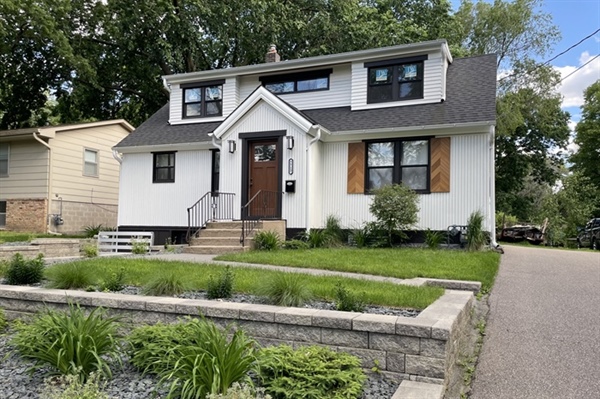
Exterior materials do far more than shape a home’s appearance. They directly influence how heat moves through walls, how moisture is managed, and how efficiently heating and cooling systems operate. From siding profiles that limit air infiltration to color choices that affect solar heat gain, every exterior decision plays a measurable role in overall building performance. Homeowners who notice uneven indoor temperatures or rising utility bills are often experiencing the impact of exterior design choices without realizing it.
At Siding Unlimited, exterior systems are approached as integrated performance assemblies rather than decorative finishes alone. In this article, we examine whether certain siding types improve insulation and reduce energy bills, how siding color influences thermal performance, whether insulated siding options justify their cost, what design elements complement high-performance siding, and how energy-efficient windows integrate with new cladding systems. If you’re exploring exterior design updates, understanding the building science behind these choices is critical before making long-term investments.
Can Certain Siding Types Improve Insulation and Reduce Energy Bills?
The insulating performance of siding depends less on the cladding material alone and more on how it functions within the full wall assembly. Materials such as solid wood tongue-and-groove siding provide tighter interlocking joints than standard lap systems, reducing uncontrolled air infiltration. Air leakage is a major contributor to thermal loss, particularly in cold climates where heated interior air escapes through wall gaps.
Building science research shows that minimizing air infiltration can significantly lower heating demand. Interlocking systems create a continuous exterior surface that limits drafts and supports a more stable indoor temperature. When paired with rigid exterior insulation boards installed behind the siding, thermal bridging through wall studs is reduced. This continuous insulation layer increases the effective R-value of the wall assembly and improves seasonal efficiency.
Homes that combine tight joint systems, continuous insulation, and proper underlayment experience measurable reductions in heat transfer. As explained through advanced siding installations and performance-focused exterior design strategies, the key lies in integrating air sealing, insulation layering, and moisture control into a unified system rather than relying on siding thickness alone.
How Siding Color Influences Thermal Performance and Solar Heat Gain
Siding color directly affects solar absorptance, which determines how much radiant heat is absorbed versus reflected. Darker colors absorb a higher percentage of solar radiation, increasing surface temperatures. Lighter colors reflect more sunlight, reducing heat buildup on exterior walls. Studies using solar reflectance index (SRI) ratings demonstrate that lighter finishes can lower exterior surface temperatures by dozens of degrees during peak sun exposure.
In colder climates, darker siding can slightly increase passive solar gain, but the impact on overall heating loads is typically modest compared to insulation levels and airtightness. In warmer months, however, darker cladding can increase cooling demand due to higher wall temperatures and increased conductive heat flow into the building envelope.
Color selection should be evaluated alongside insulation thickness, ventilation design, and climate zone. When planning upgrades through Siding Unlimited, solar orientation and regional temperature swings should guide whether reflectivity or absorption best supports overall efficiency goals.
Are Insulated Siding Options Worth the Investment?
Insulated siding incorporates rigid foam backing bonded directly to the panel. This continuous insulation reduces thermal bridging and improves wall R-values beyond what traditional hollow vinyl siding provides. Laboratory testing confirms that adding foam backing can raise effective R-values by several points depending on thickness and installation method.
The financial return depends on baseline wall performance. In older homes with minimal sheathing insulation, insulated siding can noticeably reduce heating and cooling loads. In newer structures already equipped with continuous exterior insulation, the incremental gain may be smaller. Energy modeling often shows that combining insulated siding with air sealing improvements delivers the most consistent performance gains.
Durability and moisture management also factor into long-term value. Insulated systems can reduce condensation risk by moderating surface temperatures inside wall cavities. When installed with proper vapor control layers and house wrap systems, insulated siding contributes to both thermal efficiency and structural longevity.
What Design Elements Complement High-Performance Siding?
High-performance siding performs best when integrated with coordinated architectural components. Proper flashing systems around penetrations prevent water intrusion that can compromise insulation. Ventilated rainscreen assemblies create drainage and drying space behind cladding, enhancing durability and reducing moisture-related thermal degradation.
Roof overhang depth influences wall exposure to precipitation and solar radiation. Deeper overhangs reduce direct water contact and limit summer heat gain. Seamless gutter systems direct runoff away from foundations and wall assemblies, preventing moisture accumulation that could reduce insulation effectiveness.
Trim detailing, soffit ventilation, and continuous air barriers are structural elements that support siding performance. When these components are designed together, the exterior envelope functions as a controlled thermal and moisture system rather than a collection of independent materials.
How to Integrate Energy-Efficient Windows with New Siding
Window replacement and siding upgrades should be coordinated to maintain a continuous air and moisture barrier. High-performance windows with low-emissivity coatings and insulated frames reduce conductive and radiant heat transfer. However, improper integration with siding can create gaps that undermine these efficiency gains.
Best practice installation involves self-adhered flashing membranes, sloped sill pans, and properly lapped house wrap layers that direct water outward. This sequencing preserves the integrity of the wall assembly and prevents hidden air leakage around window perimeters. Thermal imaging studies consistently show that poorly sealed window transitions are common sources of heat loss.
When exterior systems are updated in Hammond, WI, careful coordination between siding and fenestration upgrades is critical. Homeowners seeking comprehensive envelope improvements can explore project guidance and system integration support through Siding Unlimited to align siding installation with window performance standards.
Upgrade Your Exterior for Measurable Energy Performance
Exterior efficiency depends on more than material selection. It requires precise installation, continuous insulation strategies, moisture control planning, and coordinated window integration. Siding Unlimited applies building science principles to siding services, exterior design planning, and full-envelope upgrades that support long-term performance.
Siding Unlimited delivers siding services and exterior solutions that address insulation layering, color performance considerations, insulated panel systems, architectural integration, and window coordination. Every project begins with a thorough evaluation of wall assemblies and climate demands.
To discuss how siding type, color selection, insulation options, and window integration can improve your home’s energy efficiency, call 651-681-5000 or contact us to schedule a consultation.