How Do You Choose Between Wood, Fiber Cement, and Vinyl Siding?
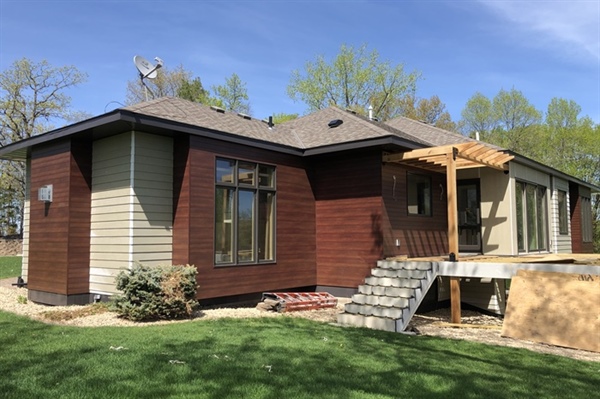
Choosing the right exterior cladding is one of the most important decisions a homeowner will make during a remodel. The material you select affects durability, long-term maintenance, curb appeal, resale value, and how well your home performs in Minnesota’s demanding climate. When comparing wood, fiber cement, and vinyl, the decision is rarely about price alone. It involves understanding how each material responds to moisture, temperature swings, impact, and time.
Homeowners often begin with a simple question about cost, only to discover that environmental exposure, long-term upkeep, architectural style, and investment return all matter just as much. In this guide, Siding Unlimited examines key factors such as environmental performance, return on investment, maintenance requirements, design flexibility, and suitability for historic homes. If you are exploring options for siding, the following breakdown will help clarify how each material performs under real-world conditions.
Environmental Factors That Influence Wood, Fiber Cement, and Vinyl Siding Performance
Climate plays a decisive role in siding selection. In regions with freeze-thaw cycles, high humidity, wind-driven rain, and seasonal temperature extremes, material stability becomes critical. Wood siding is vulnerable to moisture absorption, expansion, and contraction. Without consistent sealing and repainting, it can experience rot, fungal growth, and insect damage. Fiber cement resists moisture intrusion and is dimensionally stable in temperature swings, making it well suited for climates with wide seasonal variation. Vinyl does not absorb water and resists rot, though it can become brittle in very low temperatures and may warp when exposed to sustained high heat.
UV exposure also affects material longevity. Wood coatings degrade under prolonged sun exposure, requiring repainting cycles that typically range between five and ten years depending on product quality and exposure. Vinyl can fade over time, though modern formulations include UV inhibitors. Fiber cement holds factory-applied finishes well, often extending repaint cycles beyond 12 to 15 years under proper installation.
Wind and impact resistance are additional considerations. Fiber cement is dense and highly resistant to hail and debris impact. Vinyl is engineered to flex under moderate impact, though severe hail can cause cracking. Wood can dent or split depending on species and thickness. When evaluating siding materials, climate exposure should be weighed alongside aesthetics and budget.
Which Siding Type Offers the Best Return on Investment?
Return on investment depends on installation cost, lifespan, maintenance expenses, and resale appeal. Industry cost-versus-value reports consistently show fiber cement and vinyl siding replacements recovering a significant percentage of project costs at resale. Fiber cement often ranks near the top due to its durability, fire resistance, and strong curb appeal. Vinyl offers a lower initial investment and solid resale recovery, particularly when replacing outdated or damaged exteriors.
Wood siding typically carries higher upfront and ongoing maintenance costs. While it can elevate architectural character, especially in high-end markets, its ROI depends heavily on condition and upkeep. Poorly maintained wood can reduce perceived value due to buyer concerns about repainting and potential hidden moisture damage.
Long-term performance influences ROI as well. Fiber cement’s resistance to rot, pests, and fire reduces lifecycle costs. Vinyl’s minimal maintenance lowers annual ownership expenses. When analyzing total value rather than just installation price, these factors often place fiber cement and vinyl ahead in measurable financial return.
Are Maintenance Costs Higher for Wood Siding Compared to Vinyl and Fiber Cement?
Wood siding requires the most consistent maintenance of the three materials. It must be sealed, stained, or painted to protect against moisture infiltration. Paint systems typically require renewal within a decade, and earlier on highly exposed elevations. Failing to maintain coatings can result in rot, splitting, or insect damage, all of which increase repair costs.
Fiber cement demands significantly less frequent upkeep. Factory-finished products maintain color longer, and the material itself resists moisture, insects, and fire. While repainting is eventually required, intervals are substantially longer than with wood. Routine inspection and caulk maintenance remain necessary to preserve water resistance.
Vinyl siding is generally the lowest maintenance option. It does not require painting and can be cleaned with water and mild detergent. There is no risk of rot or insect damage. However, damaged panels must be replaced rather than refinished. Over time, maintenance cost comparisons consistently show wood as the highest, fiber cement as moderate, and vinyl as the lowest in ongoing expense.
How Aesthetics Differ Between Wood, Fiber Cement, and Vinyl Siding Materials
Wood offers natural grain patterns, depth, and texture that many homeowners associate with craftsmanship and authenticity. Cedar, redwood, and other species can be stained to highlight grain or painted for a refined appearance. Profiles such as clapboard, shingles, and board-and-batten provide architectural flexibility.
Fiber cement is manufactured to replicate the look of wood while delivering greater durability. It is available in smooth or textured finishes and supports a wide range of factory-applied colors. Modern production techniques allow convincing wood-grain embossing, making it visually comparable to painted wood from typical viewing distances.
Vinyl siding has evolved significantly in design variety. It is available in multiple profiles, including shake-style panels and insulated systems. While traditional vinyl had limitations in texture depth, premium products now offer improved realism. Even so, discerning observers can often distinguish vinyl from true wood or fiber cement due to panel seams and surface sheen.
Best Siding Choices for Historic or Traditional Homes
Historic and traditional homes often require materials that preserve architectural integrity. Wood remains the most historically accurate option for properties originally constructed with wood clapboard or cedar shingles. Preservation standards in designated historic districts may require wood or approved alternatives that replicate original materials.
Fiber cement is frequently accepted in renovation projects where authentic wood appearance is desired but long-term durability is a priority. Its ability to mimic traditional profiles makes it suitable for Craftsman, Colonial, and Victorian styles when installed with correct trim and detailing.
Vinyl may be less appropriate for strict historic preservation due to visible seams and dimensional differences, though it can be suitable for traditional homes outside regulated districts. The decision should account for local building codes, preservation guidelines, and architectural accuracy.
Work with Experienced Exterior Specialists in Roseville, MN
Choosing between wood, fiber cement, and vinyl requires a detailed understanding of climate performance, long-term cost, maintenance cycles, and architectural compatibility. Their team evaluates environmental exposure, structural conditions, and design goals before recommending solutions.
Whether you are weighing ROI, long-term upkeep, or historic compatibility, professional guidance can prevent costly mistakes. To discuss your project, call 651-681-5000 or contact us for a consultation. You can also learn more about the company at Siding Unlimited.