Difference Between Shake and Shingle Siding
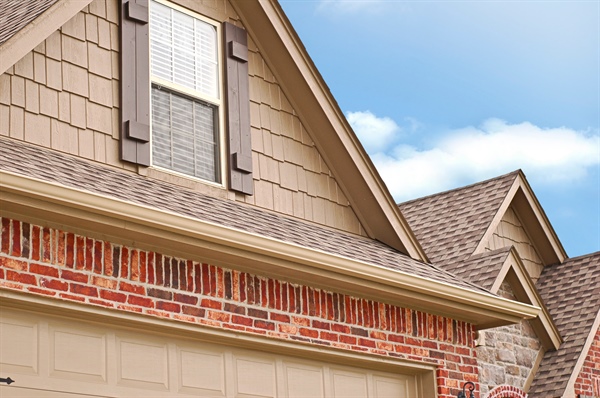
When planning exterior updates, homeowners are often surprised to discover that shake siding and shingle siding, while similar at first glance, are distinctly different in both form and function. These two cladding styles have long been used to bring charm, character, and protection to homes, but they’re not interchangeable.
Whether you’re designing a new build or renovating a historic structure, choosing between shake and shingle siding means understanding the craftsmanship, visual texture, and material performance of each. The subtle but meaningful differences impact not only the overall look of your home but also how well it weathers time and the elements.
At Siding Unlimited, we’ve seen homeowners puzzle over this distinction countless times. The key is knowing how shake siding — typically more rugged and dimensional — compares to the clean, uniform profile of traditional shingles. Beyond the appearance, the differences in manufacturing, thickness, performance, and historical usage all play a role in selecting the right fit.
In this article, we’ll answer five specific questions that reveal how shake and shingle siding stack up against each other. By the end, we hope you’ll be equipped with clear, practical insight to guide your siding decisions.
Let’s explore what makes shake and shingle siding unique, and how those differences could shape your next project!
Are Shakes Always Hand-Split While Shingles Are Sawn?
Shake siding and shingle siding differ fundamentally in how they are manufactured, and this difference defines much of their appearance and application. Traditionally, shakes are hand-split from logs using a mallet and froe, producing a textured, irregular surface that retains much of the wood’s natural grain.
This hand-split method gives each shake its own distinct character and a more rustic appearance. In contrast, shingles are sawn on both sides to create a smooth, uniform finish. This results in a cleaner, flatter profile that suits homeowners looking for a polished or orderly exterior.
While modern manufacturing processes have introduced more uniformity to shakes and automation to shingle production, the hand-split nature of shakes remains a defining characteristic. Even machine-sawn shakes aim to preserve the textured look by combining a split face with sawn backs. Shingles, however, are consistently sawn on both faces, ensuring tighter fits and flatter surfaces when installed. This contrast plays a major role in determining which option fits best for a particular architectural style or design preference.
Understanding the split-versus-sawn distinction is essential when selecting exterior siding. Each option suits different stylistic and performance needs, and the choice can dramatically change the look and character of a home. For homeowners aiming for a handcrafted, dimensional look, shake and shingle siding options from Siding Unlimited offer a variety of profiles and materials that honor these traditional techniques.
How Do Texture and Thickness Differ Between the Two?
Texture and thickness are key visual and structural differences between shake siding and shingle siding. Shakes are generally thicker than shingles, with more irregularities and varied grain patterns. This added thickness contributes to deeper shadow lines and a more dimensional, layered look. The surface of a shake retains more natural wood grain, knots, and ridges due to the hand-splitting process. This results in a rugged and rustic aesthetic, often favored in mountain homes, lodges, or craftsman-style exteriors.
In contrast, shingles are thinner and cut more uniformly, giving them a smoother surface with a consistent thickness throughout. Their flat profile creates a sleek, clean finish that fits well with coastal or colonial-style homes. The uniform texture of shingles allows them to lie flush against the surface, minimizing gaps and contributing to a more structured appearance. While both products may use similar wood types — such as cedar — the visual results are notably different due to these design features.
These distinctions affect not just aesthetics but also installation and maintenance. Thicker shakes require more precise installation to manage overlapping and weather resistance. The uniformity of shingles, on the other hand, allows for faster, more predictable installation patterns. For homeowners evaluating these features as part of their exterior update, Siding Unlimited’s siding services provide access to both styles, helping ensure the siding choice aligns with both design and performance needs.
Is There a Performance Difference Between Shakes and Shingles?
Yes, shake siding and shingle siding differ in performance based on their design, thickness, and exposure to elements. Shakes, being thicker and more rugged, typically offer superior resistance to high winds and extreme weather conditions. Their irregular surface can shed water effectively when installed properly, especially when overlapping patterns are used. However, because they often have less uniform edges and spacing, they may require more careful installation and regular maintenance to avoid moisture intrusion over time.
Shingles, with their smoother finish and consistent size, provide a tighter fit and more predictable water runoff. They often have slightly better moisture resistance in milder climates due to this uniformity. However, their thinner profile can make them more susceptible to damage from impacts or extreme weather unless installed with high-quality materials and proper underlayment. In regions prone to wind-driven rain or snow, additional flashing and layering techniques are often used to enhance durability.
The performance gap also depends on the material used — cedar, fiber cement, or engineered wood products can all influence longevity and upkeep. While natural cedar shakes may last decades with treatment, fiber cement shingles provide lower maintenance and longer warranties. Homeowners looking to compare long-term durability and installation needs between these products should speak with an expert contractor to match siding types to their regional weather and architectural needs.
What Is the Visual Impact of Using Shakes vs Shingles on a Facade?
The choice between shakes and shingles has a dramatic effect on the facade of a home. Shakes deliver a textured, dimensional look that can make a home appear more rustic and artisanal. Their rough surface and uneven edges catch light and shadow in unique ways, giving the exterior depth and visual interest. This makes them ideal for adding character to gables, accent walls, or entire exteriors where a hand-crafted look is desired.
Shingles, on the other hand, create a clean, consistent pattern that brings a sense of order and refinement. Their smooth surface reflects light evenly and supports symmetrical designs, which can make a home feel more formal or traditional. The subtle aesthetic of shingles lends itself to classic American styles such as Cape Cod and Georgian homes. Because they create a uniform appearance, they’re often chosen for projects seeking a timeless, polished look.
Ultimately, the visual impact comes down to texture, shadow, and repetition. Shakes break up flat surfaces with their variation, while shingles streamline them with continuity. Homeowners looking to emphasize architectural features or enhance curb appeal should consider how each option interacts with the scale and shape of the home’s exterior.
Which Style Is More Common in Historical Restoration?
Shingles are generally more common in historical restoration projects, especially those focusing on homes from the late 19th and early 20th centuries. Architectural styles such as Queen Anne, Colonial Revival, and Shingle Style homes relied heavily on the uniform appearance of wood shingles to achieve their design goals. Their clean lines and repetitive layout were used to create expansive, textured walls that contrasted with ornate trim and decorative gables.
That said, shakes are sometimes used in restoration when the original building featured rustic or handcrafted elements. This is more typical in frontier or rural architectural traditions, where locally sourced and hand-split materials were common. In those cases, hand-split shakes may be necessary to maintain authenticity. However, because of their consistency and availability, shingles are more commonly specified in preservation guidelines and by historical societies.
Historic restorations aim to match materials as closely as possible to the original construction, both for aesthetic and structural reasons. Using the correct siding style helps preserve not only the home’s visual integrity but also its historical value. In areas like Wisconsin, where traditional American architecture is prevalent, shingles are often the go-to option for historically accurate restorations completed by professional contractors like Siding Unlimited.
How Siding Unlimited Can Help With Your Shake and Shingle Siding Project
Choosing between shake and shingle siding is more than a stylistic decision — it’s about understanding material differences, design impact, and performance in your local climate. At Siding Unlimited, we bring decades of siding experience to homeowners across Wisconsin, helping each client select the perfect fit for their home’s unique character and environmental needs.
Our team works closely with you to align your siding choice with your home’s architecture and your long-term goals — whether that’s improved energy efficiency, increased curb appeal, or faithful historical restoration. You can reach us at 651-681-5000 or request a free estimate to get started!