Can Snow and Ice Damage Metal Roofs? Winter Durability Explained
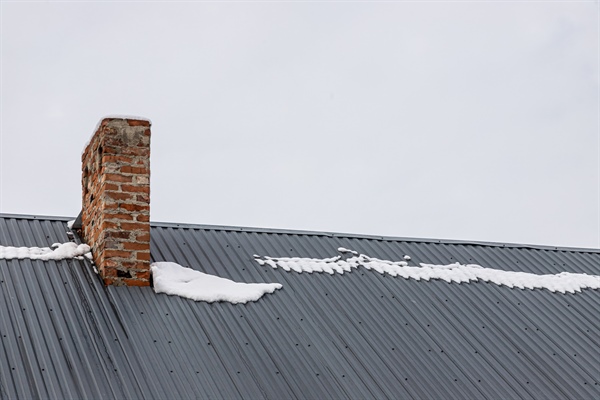
Winter weather can wreak havoc on residential roofing systems, but homeowners with metal roofs often find themselves asking: Are these surfaces truly more resilient to snow and ice? The answer lies in understanding how metal roofing performs under extreme cold, heavy snowfall, and repeated freeze-thaw cycles.
Unlike traditional asphalt shingles, which can deteriorate under snow buildup and ice damming, metal roofing has unique properties that often make it a more durable and low-maintenance option for cold-weather regions like Wisconsin and Minnesota. But that doesn’t mean it's immune to winter’s challenges.
Metal roofing is known for its durability, energy efficiency, and sleek appearance — but how does it really hold up when snow piles high or ice begins to form? The team at Siding Unlimited sees firsthand how winter affects roofing systems and understands the concerns homeowners have. Whether you’re planning a new installation or maintaining an existing roof, learning how snow and ice interact with a metal roofing system is critical to making informed decisions that protect your home year-round.
If you’ve ever wondered how a metal roof stands up to the realities of winter, this deep dive has your answers!
Do Metal Roofs Prevent Ice Dams More Effectively?
Ice dams form when warm air from the attic melts the underside of the roof snow, causing water to trickle down and refreeze at the colder roof edge. This creates a ridge of ice that can block subsequent meltwater, leading to potential leaks and water damage.
Metal roofs reduce the likelihood of ice dam formation thanks to their smooth surface and thermal conductivity. Snow tends to slide off faster and meltwater drains more easily, limiting the opportunity for ice to accumulate. The inherent design of a metal roof does not trap snow the way textured materials like asphalt or wood can, which supports faster runoff.
Another advantage is the reflective property of metal, which can help maintain a more consistent roof temperature. Combined with proper attic insulation and ventilation, metal roofing helps minimize the warm spots that typically contribute to ice dam development. Unlike traditional shingles that have seams and granules that can trap melting snow, metal panels provide fewer obstructions, promoting an efficient melt path.
When installed correctly, a metal roof paired with proper underlayment and ventilation greatly reduces the risk of ice dams, making it a strong choice for cold-weather climates. These characteristics are part of what makes metal roofing a high-performance option for managing winter precipitation and protecting your home from costly seasonal damage.
Are Snow Slides a Hazard with Metal Roofing?
One of the most common winter-related concerns with metal roofing is snow shedding, often called snow slides. Because of the low friction of metal surfaces, accumulated snow can release all at once as temperatures rise, particularly after a sunny afternoon or warm spell. While this self-shedding feature can help prevent snow load stress on the structure, it does pose hazards to people, pets, vehicles, or landscaping below. Homes with steep roof pitches and taller rooflines are especially prone to high-volume snow slides.
The physics behind snow slides is straightforward: the smoother the roof surface, the less friction to hold the snow in place. On materials like asphalt shingles, snow tends to melt and drip gradually, but metal encourages faster runoff in sheets. This creates a safety issue that should be addressed through strategic design modifications and accessories.
Because the likelihood of snow slides increases with roofing services that utilize metal panels, it’s critical to incorporate preventive measures at the time of installation. Proper planning and product selection help mitigate risks while preserving the benefits of rapid snow shedding.
Should Snow Guards or Snow Rails Be Installed?
Yes, snow guards or snow retention systems are strongly recommended on metal roofing systems in snow-prone regions. These devices are installed along the roof surface to hold snow in place and allow it to melt gradually, reducing the risk of sudden snow slides. Snow guards are particularly important over high-traffic areas such as walkways, driveways, patios, and entryways. Without them, heavy chunks of snow can slide off in one mass, causing injury or damage to anything below.
There are several types of snow retention systems, including bar-style snow rails, pad-style snow guards, and pipe-style systems. The choice depends on factors like roof pitch, snow load, and architectural design. For maximum performance, these elements should be integrated during roof installation rather than as an afterthought. Placement, spacing, and mounting technique all impact effectiveness and longevity, which is why they’re typically designed as part of a system layout.
While snow guards do alter the natural flow of snow off the roof, their ability to control how and when snow is shed makes them a valuable addition. Their use does not interfere with the structural integrity of the roof or its longevity, as long as they’re installed with proper fasteners and techniques recommended for metal applications.
Can Metal Roofs Be Damaged by Hail or Falling Branches?
Metal roofs are among the most impact-resistant roofing materials available, but they are not entirely immune to damage. Hail can dent the surface of softer metals such as aluminum or copper, although steel roofing with a higher gauge (thicker material) offers better resistance. Unlike asphalt shingles that can crack, break, or lose granules upon impact, metal roofs maintain their integrity even after exposure to large hailstones. Cosmetic dents may occur, but these rarely compromise performance or waterproofing.
Branches falling from trees can also pose a risk, especially in high-wind storms. However, most standing seam metal roofs are designed to distribute force over a wide area, making punctures or critical structural damage uncommon. The panels often have a layered underlayment system, which provides an additional buffer between the metal and the roof decking. In many cases, even after an impact, the roof remains watertight and structurally intact.
Insurance providers often view metal roofing as a premium upgrade due to its resilience. As long as it is properly installed and maintained, a metal roof can offer long-term protection against common storm threats like hail and falling limbs, making it one of the most durable roofing choices available.
How Does Expansion/Contraction Affect Performance?
All roofing materials expand and contract with temperature changes, and metal is no exception. What makes metal roofing unique is the degree of thermal movement that must be accounted for in the design and installation. As temperatures rise and fall, the metal panels lengthen and shorten, which can exert stress on fasteners and seams. Without proper engineering, this repeated movement could lead to panel distortion, loosening, or oil canning—visible waviness in the flat areas of metal.
High-quality metal roofing systems are designed with floating clips, slotted fastener holes, and flexible sealants to allow for this natural expansion and contraction. These elements reduce stress on the system and help preserve watertight integrity. Roofing contractors who specialize in metal installations understand how to accommodate thermal movement without compromising aesthetics or performance.
Correct installation techniques are critical for performance in climates with large temperature swings. When metal roofing is properly installed with the right accessories, expansion and contraction are managed effectively over the lifespan of the roof. These design considerations are why professionally installed systems by companies like Siding Unlimited deliver long-term durability, even under the stress of extreme seasonal changes.
Let Siding Unlimited Protect Your Home from Winter’s Worst
Snow, ice, hail, and deep freezes are part of life in the Midwest — and your roof needs to be ready. Metal roofing offers powerful advantages in cold climates, from preventing ice dams and shedding snow to standing up to hail and managing expansion over time. But the benefits of a high-performance roofing system can only be realized with proper design and expert installation. That’s where Siding Unlimited comes in.
Based in Hammond, WI, Siding Unlimited specializes in tailored roofing solutions designed for upper Midwest winters. Our team understands how to address common challenges like snow slides, ice buildup, and storm impact through thoughtful system layout and advanced products. Whether you need strategic snow guard placement or guidance on choosing the right metal material and gauge, our experience ensures your roof won’t just survive the season — it will outperform year after year.
Ready to make the switch or upgrade your current roof for better winter protection? Contact Siding Unlimited or request a free estimate today and find out how our team can help you gain peace of mind, better performance, and fewer winter headaches!