Can Log Siding Be Installed on Existing Homes or Only on New Builds?
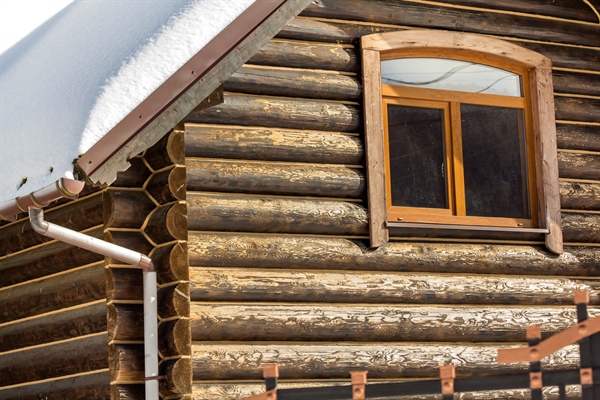
When people think of log siding, they often imagine rustic new cabins tucked into the woods — but is this look achievable for existing homes, too?
Whether you're remodeling a decades-old home or building from scratch, the appeal of natural wood aesthetics is undeniable. Many homeowners are drawn to the warmth and texture that log siding provides, but they hesitate because they believe it’s only an option during new construction. The truth is: installing log siding isn’t limited to new builds. With modern materials and installation methods, existing homes can also be upgraded to capture that timeless log cabin charm.
From enhancing curb appeal to improving insulation, upgrading an existing structure with log siding is becoming increasingly common. Homeowners with vinyl, aluminum, or aging wood siding are discovering that log siding offers not only a cosmetic transformation but also added durability. However, retrofitting requires thoughtful planning, and there are several technical factors to consider, such as the existing structure, whether structural reinforcement is needed, or if building codes might affect your plans.
Siding Unlimited has helped many Wisconsin homeowners explore these options to bring their design goals to life.
To help you better understand how log siding works with existing homes, we’ll explore five detailed subtopics to guide you through what’s possible and what to consider before making a final decision. If you’re curious about log siding and how it might work for your home, keep reading.
Is it Necessary to Remove Old Siding Before Installing Log Siding?
Retrofitting an existing home with log siding often begins with evaluating whether the current exterior material must be removed.
In many cases, existing siding — such as vinyl, aluminum, or aging wood — is removed to expose the structural sheathing beneath. This is particularly important if the old siding is damaged, uneven, or unable to provide a stable surface for new material. Removing old siding also allows contractors to inspect the underlying sheathing for signs of moisture damage, rot, or warping, all of which must be corrected before log siding is installed.
Skipping this step can compromise the structural integrity and long-term performance of the new installation.
However, removal is not always required. If the existing siding is flat, in good condition, and compatible with furring strips or an added moisture barrier, log siding may be installed over it. This approach is more common when time or budget constraints are a concern, but it’s only appropriate when the original materials meet specific standards. The critical factor is ensuring the wall assembly can support the weight and thickness of the log siding without shifting or warping over time.
Professional contractors will assess each situation to determine whether a tear-off is necessary.
Working with experienced siding professionals ensures that all compatibility and preparation requirements are met before any log siding installation. Homeowners should also verify that moisture barriers, insulation, and fastening systems are compatible with the underlying structure, especially when skipping a full siding removal.
Do Structural Reinforcements Need to Be Made Before Installing Log Siding?
Log siding is significantly heavier than traditional vinyl or composite options, which raises valid concerns about a home’s structural capacity.
In most retrofitting scenarios, homes with a standard wood-framed exterior can accommodate log siding without major modifications. However, it’s essential to verify that the wall studs, sheathing, and framing connections are intact and capable of supporting additional weight. Structural reinforcements may be required for older homes, especially those built before modern framing standards were established or those with degraded structural elements.
When reinforcement is necessary, it usually involves reinforcing the sheathing, adding extra fasteners to wall studs, or modifying the framing to distribute the load more evenly. Homes with non-standard construction, such as steel framing or concrete block walls, may also need special attachment systems or anchor supports to secure log siding properly. The goal is to prevent long-term issues such as wall bowing, settling, or separation from the fasteners, all of which can compromise the siding’s appearance and performance.
Each retrofitting project should start with a detailed inspection of the existing structure. A qualified contractor will evaluate load-bearing elements, fastener pull-out resistance, and moisture defense systems. These assessments guide whether structural adjustments are required before siding installation begins.
For homeowners considering a significant exterior upgrade, understanding these factors is critical before investing in new siding services.
Can Log Siding Be Installed Directly Over Insulation Board or Exterior Sheathing?
Yes, log siding can be installed over sheathing or rigid insulation board, provided the wall assembly meets several conditions.
First, the surface must be structurally sound and flat to ensure consistent fastening and siding alignment. Sheathing such as oriented strand board (OSB) or plywood provides an ideal base because it offers excellent fastener retention. Rigid foam insulation boards can also serve as a base layer, but only when paired with proper furring strips or nail base systems designed to bridge the softer insulation and transfer load to the underlying studs.
In cold climates like Wisconsin, homeowners often choose to add continuous insulation to reduce thermal bridging and meet energy efficiency standards. When done properly, the addition of foam boards and a moisture barrier can actually enhance the thermal performance of the building envelope while supporting the new siding system.
However, installation must include furring strips anchored into studs through the insulation. These create an air gap for drainage and prevent the siding from warping due to uneven pressure or moisture accumulation.
It’s also critical to follow manufacturer guidelines regarding the thickness and type of insulation, fastener length, and ventilation. Log siding is relatively thick and requires deep anchoring, so fasteners must be long enough to penetrate through both the siding and the base layers into framing members.
When this is done correctly, the result is a well-insulated, durable, and attractive log-sided exterior that meets modern building science requirements.
Are Building Permits Required When Upgrading to Log Siding?
Yes, in most jurisdictions, installing log siding on an existing home will require a building permit.
While requirements vary depending on the local code authority, exterior siding changes that affect the structural load, wall assembly, or fire rating typically trigger a permit. Permits ensure that the siding system complies with state building codes, local ordinances, and zoning regulations. They also confirm that materials meet wind load resistance, fire safety, and moisture control standards specific to the home’s location and climate.
Failing to obtain a permit can lead to costly consequences, including fines, stop-work orders, or forced removal of completed work. More importantly, it could void insurance coverage or delay future home sales if the upgrade is not properly documented. When retrofitting a home with log siding, inspectors may also require verification of structural adequacy, insulation R-values, and the use of approved fasteners and weather barriers.
These inspections protect both the homeowner and the integrity of the building envelope.
Before beginning any siding upgrade, homeowners should contact their city or county building department for guidance on permit requirements, fees, and inspection timelines. Reputable contractors will usually assist with obtaining the permit and scheduling inspections as part of the project management process. This proactive approach avoids delays and ensures compliance with building codes from the outset.
Can Log Siding Be Combined with Other Exterior Finishes for a Mixed-Material Look?
Yes, blending log siding with other exterior materials is not only possible — it's an increasingly popular design trend.
Homeowners often pair log siding with stone veneer, fiber cement panels, board-and-batten, or vertical metal panels to create visual contrast and architectural interest. These combinations allow for greater design flexibility while preserving the warmth and character of log aesthetics. For example, using stone veneer around the base of a home and log siding above creates a grounded, natural look that is both rustic and modern.
Mixed-material exteriors also offer functional benefits. Combining siding types can reduce costs by limiting the use of more expensive materials to accent areas. It can also improve durability in specific zones, such as using fiber cement or steel around high-impact areas like garages or entryways. Proper planning is crucial, however. Transition points between materials must be properly flashed and sealed to prevent moisture intrusion and maintain thermal performance.
Inconsistent thicknesses between materials must also be accounted for to keep the surface plane even and aesthetically consistent.
Designing a successful mixed-material exterior starts with understanding how each siding type interacts with the structure, weather, and the others. Careful attention to transition detailing, weatherproofing, and fastener compatibility ensures a long-lasting, cohesive finish.
Bring Your Home Vision to Life with Siding Unlimited
Whether you’re updating a classic home or starting fresh with new construction, adding log siding is a powerful way to boost curb appeal, increase value, and showcase your personal style.
At Siding Unlimited, we have the technical expertise and hands-on experience to guide you through every step of the process. From removing old siding and evaluating structural needs to coordinating sheathing, insulation, and permits, we make retrofitting or new installation seamless.
Our team in Hammond, WI, has worked on a wide variety of properties throughout the region. We know how to create stunning results by pairing log siding with complementary materials like stone or board-and-batten, giving your home a timeless, customized look. Beyond style, we also ensure your project meets building codes, addresses material compatibility, and is fully weatherproofed to stand up to Wisconsin’s climate.
If you’re ready to explore your log siding options or want expert guidance on blending materials for a custom finish, call Siding Unlimited today at 651-681-5000 or request your free estimate online. Let us help you transform your home’s exterior with confidence!