Best Window Materials for Casement Frames in Cold Climates
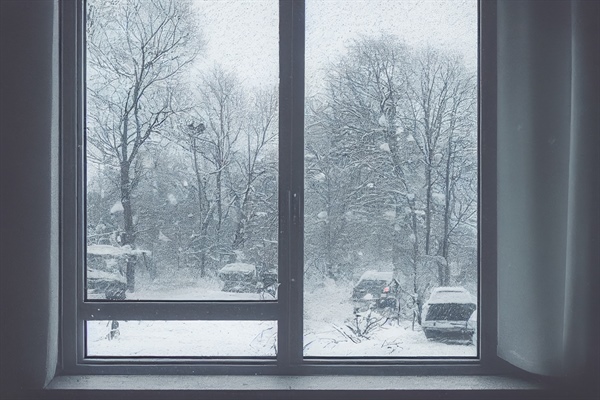
When frigid air and heavy snowstorms take over the colder months, your windows become more than just a view to the outside world — they’re your home’s first line of defense against the chill. Casement windows, known for their tight seal and ease of use, are especially effective in cold climates, but the material of their frames plays a key role in their insulation performance, durability, and maintenance requirements.
Choosing the right window material can impact everything from your energy bills to your home's comfort level during winter. Homeowners navigating tough winters need windows that can stand up to thermal shifts, moisture exposure, and frost formation without warping, rotting, or leaking. At Siding Unlimited, we often help customers in Hammond and throughout Wisconsin weigh the pros and cons of fiberglass, vinyl, wood, and composite options based on their unique environmental challenges.
Whether you’re updating a historic home or building new, understanding how these materials function in cold climates helps ensure a smart investment that keeps your home warm and efficient. This article explores five important questions that can help you make a well-informed decision. If you’re searching for cutting-edge technology or tried-and-true materials, these insights will guide your selection process and keep your home better protected year-round!
Fiberglass vs. Vinyl vs. Wood: Which Offers the Best Thermal Performance?
In regions where freezing temperatures dominate for several months of the year, thermal performance is a critical factor when selecting casement window frames. Fiberglass outperforms both vinyl and wood when it comes to resisting heat transfer due to its low conductivity and structural stability.
Unlike materials that expand and contract significantly with temperature changes, fiberglass maintains a consistent seal, reducing the risk of air leaks and enhancing energy efficiency. It's also highly resistant to warping or cracking under extreme temperature swings, which makes it an ideal solution for cold-weather climates.
Vinyl, while cost-effective and energy efficient, can become brittle in sub-zero temperatures. This brittleness may lead to cracking over time, especially in poorly manufactured frames. However, high-quality vinyl can still perform reasonably well in insulated configurations. Wood offers good insulation by virtue of its natural composition, but its vulnerability to moisture and the required maintenance make it a less reliable option over time in extreme cold. Without proper sealing, wood can absorb moisture, expand, and compromise thermal performance.
Fiberglass strikes the best balance for cold climates: high R-values, dimensional stability, and longevity. These attributes make fiberglass an optimal frame material when paired with high-efficiency glazing. Homeowners evaluating all window styles, including sliding windows, should prioritize materials that withstand northern winters.
Are Composite Frames Worth the Extra Cost for Cold Climate Performance?
Composite window frames are made by combining materials such as resin and wood fibers or PVC and polymers, often engineered for maximum strength and insulation. Their higher upfront cost reflects the engineering behind their thermal resistance, structural integrity, and aesthetic longevity. In cold climates, this investment frequently pays off through measurable energy savings and reduced maintenance demands. Composites do not expand or contract as significantly as vinyl or wood, minimizing the risk of frame degradation over time.
Their layered construction gives them an advantage over singular-material frames. Composite windows resist condensation and frost bridging, helping to maintain interior comfort while lowering heating loads. They are also available in styles that closely mimic the appearance of painted wood or stained timber, without the maintenance wood demands. This makes them a compelling option for homeowners seeking a traditional appearance without sacrificing performance.
For long-term durability and thermal efficiency, composite frames are indeed worth the investment in cold climates. Their consistent performance in extreme weather makes them a smart upgrade.
Frost Resistance of Aluminum-Clad Wood Windows in Harsh Winter Conditions
Aluminum-clad wood windows combine the traditional appearance and insulation benefits of wood with the external durability of aluminum. The metal cladding protects the exterior frame from snow, sleet, and icy winds, helping to prevent warping or moisture absorption. While aluminum alone is a poor insulator, in this hybrid construction, it acts as a protective shell without compromising the inner wood’s insulating qualities. This makes aluminum-clad wood windows a good option for resisting frost buildup while maintaining interior warmth.
The primary concern with these windows is ensuring thermal breaks are incorporated into the aluminum. Without proper insulation layers, the metal can act as a thermal bridge, leading to condensation and potential frost on the interior frame. Well-engineered clad windows include insulating spacers and coatings to prevent this issue. Most premium manufacturers also apply finishes that resist pitting and corrosion, essential in areas where road salt and freezing rain are common.
In climates like Wisconsin’s, where the freeze-thaw cycle is long and intense, aluminum-clad wood casement windows are a viable option, but only when sourced from high-performance product lines that address thermal bridging and vapor barriers comprehensively.
Window Frame Materials That Require the Least Maintenance in Cold Climates
When dealing with harsh winters, selecting a window frame material that reduces seasonal upkeep can save significant time and expense. Vinyl leads in low-maintenance performance. It does not need painting or sealing, resists moisture intrusion, and is not susceptible to rot or insect damage. In cold climates, vinyl remains stable when sourced from quality manufacturers that incorporate UV stabilizers and impact-resistant formulations.
Fiberglass is equally low-maintenance and often preferred due to its rigidity and longevity. It resists paint peeling, does not absorb moisture, and is unaffected by temperature extremes. Paintable fiberglass frames also offer design flexibility, and their inert composition resists warping even after years of exposure. Composite frames also rank high in this category, requiring little to no intervention even after multiple freeze cycles.
Wood, by contrast, requires sealing, staining, or painting every few years to protect against moisture infiltration, swelling, and decay. Homeowners looking for a care-free solution in climates where maintenance is difficult during winter should favor fiberglass or composite materials.
Understanding Moisture Risks in Wood Window Frames
Wood is naturally porous, making it more susceptible to moisture absorption compared to synthetic materials. In cold climates, where snow and ice are persistent, this moisture can freeze and expand within the wood fibers, leading to cracking, rot, and structural degradation over time. Repeated freeze-thaw cycles further compound these risks, particularly if the wood is not properly sealed or maintained.
Casement frames made of wood are particularly vulnerable at joints and exposed edges, where water can seep in unnoticed. Once compromised, the integrity of the entire frame can suffer, allowing cold air infiltration and reducing thermal efficiency. Even treated or factory-finished wood windows require regular inspection to maintain performance in humid, snowy environments. Moisture damage can also promote mold growth and cause interior condensation issues, particularly when combined with poorly insulated glass.
To mitigate these concerns, some homeowners opt for clad wood or composite options that preserve the look of wood while eliminating the vulnerability. For those who prioritize aesthetics and are willing to maintain their investment, wood remains viable but should be approached with caution in cold-weather installations.
Get Expert Help Choosing the Best Window Materials for Cold Climates
Making the right choice for casement window materials in cold climates can be complex, but the payoff is a home that’s more energy-efficient, comfortable, and durable year-round. Whether you’re weighing the thermal advantages of fiberglass, evaluating a composite’s long-term value, or comparing wood and aluminum-clad options, each decision plays a vital role in performance.
At Siding Unlimited, we work with homeowners throughout Wisconsin to provide window solutions that balance durability, beauty, and weather resilience. From identifying materials that minimize seasonal upkeep to advising on frost-resistant designs, our team helps tailor the right products to your unique needs.
If you're planning a window replacement or new installation, call us at 651-681-5000 or request your free estimate today to get started with a smarter, stronger solution built for the cold.